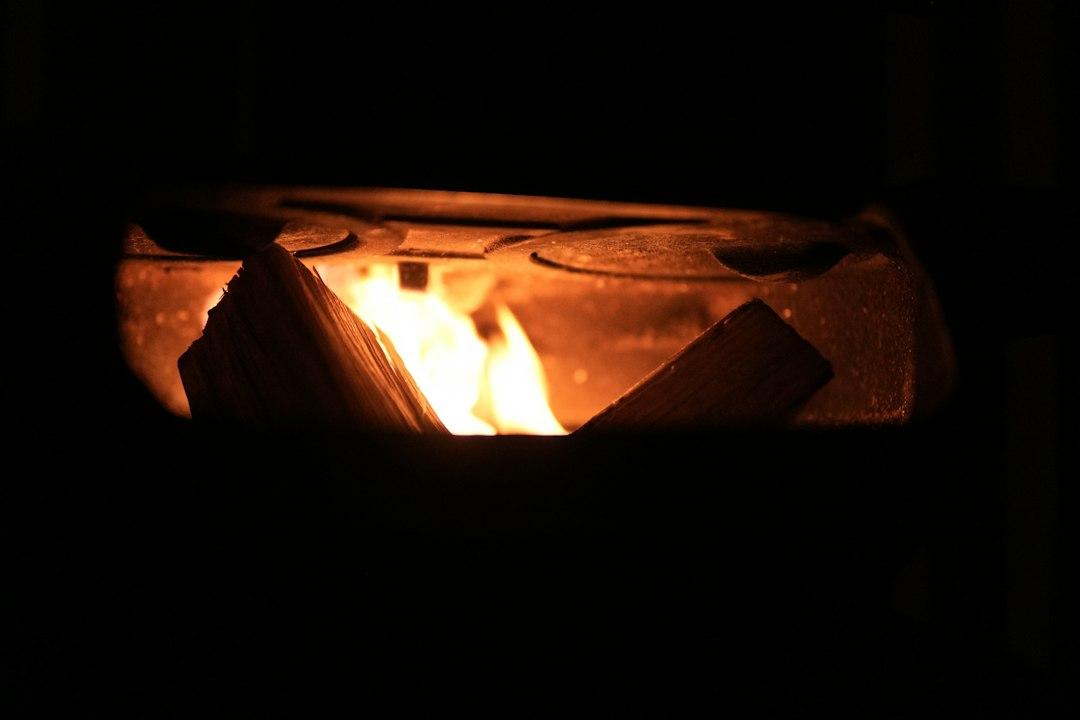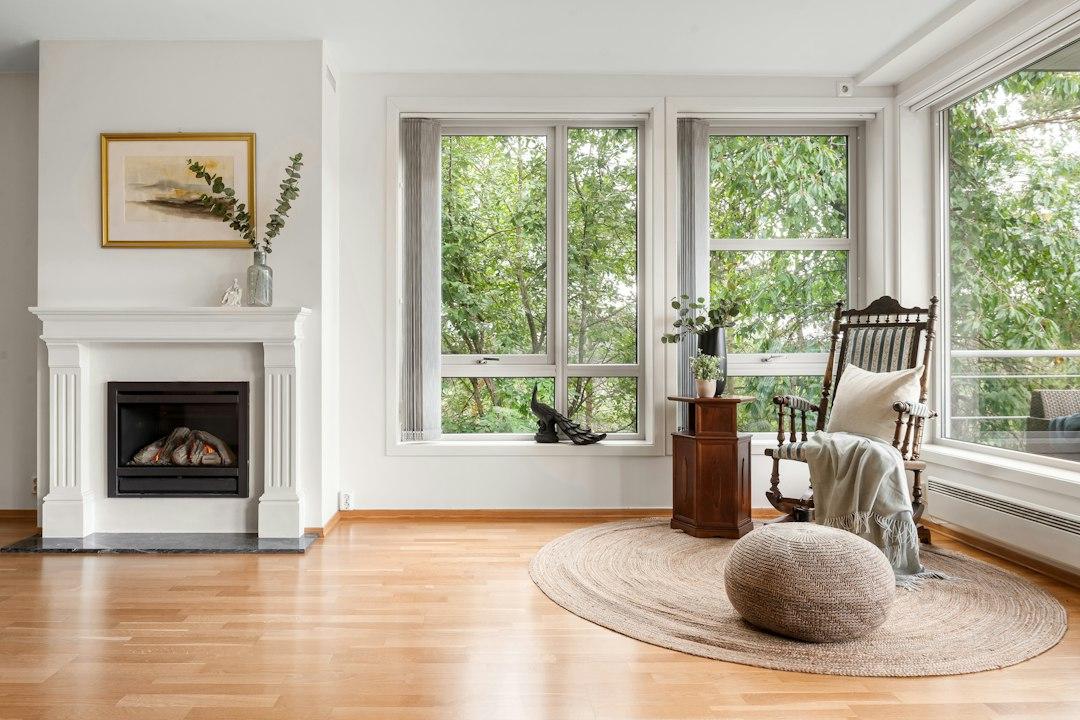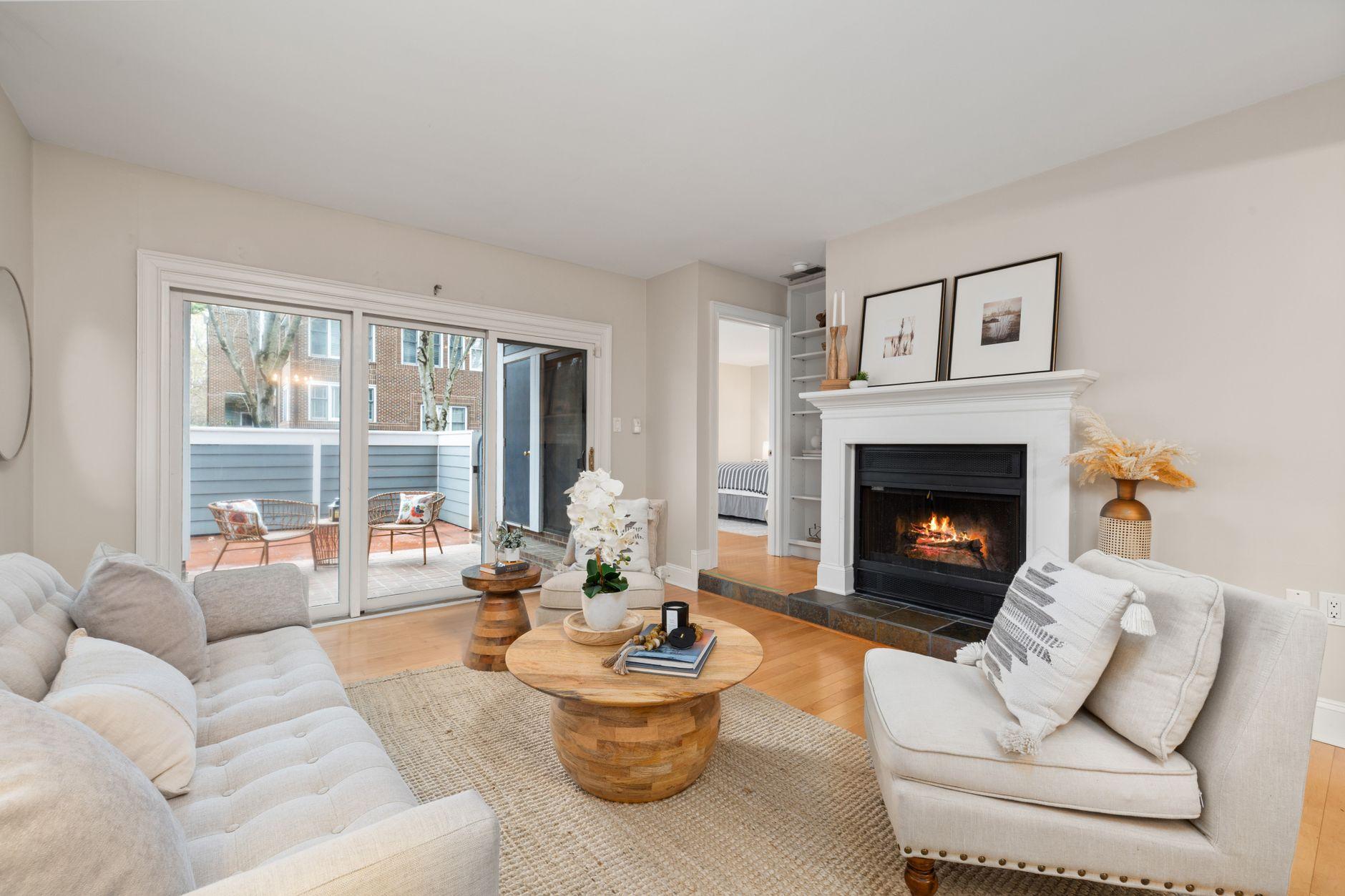
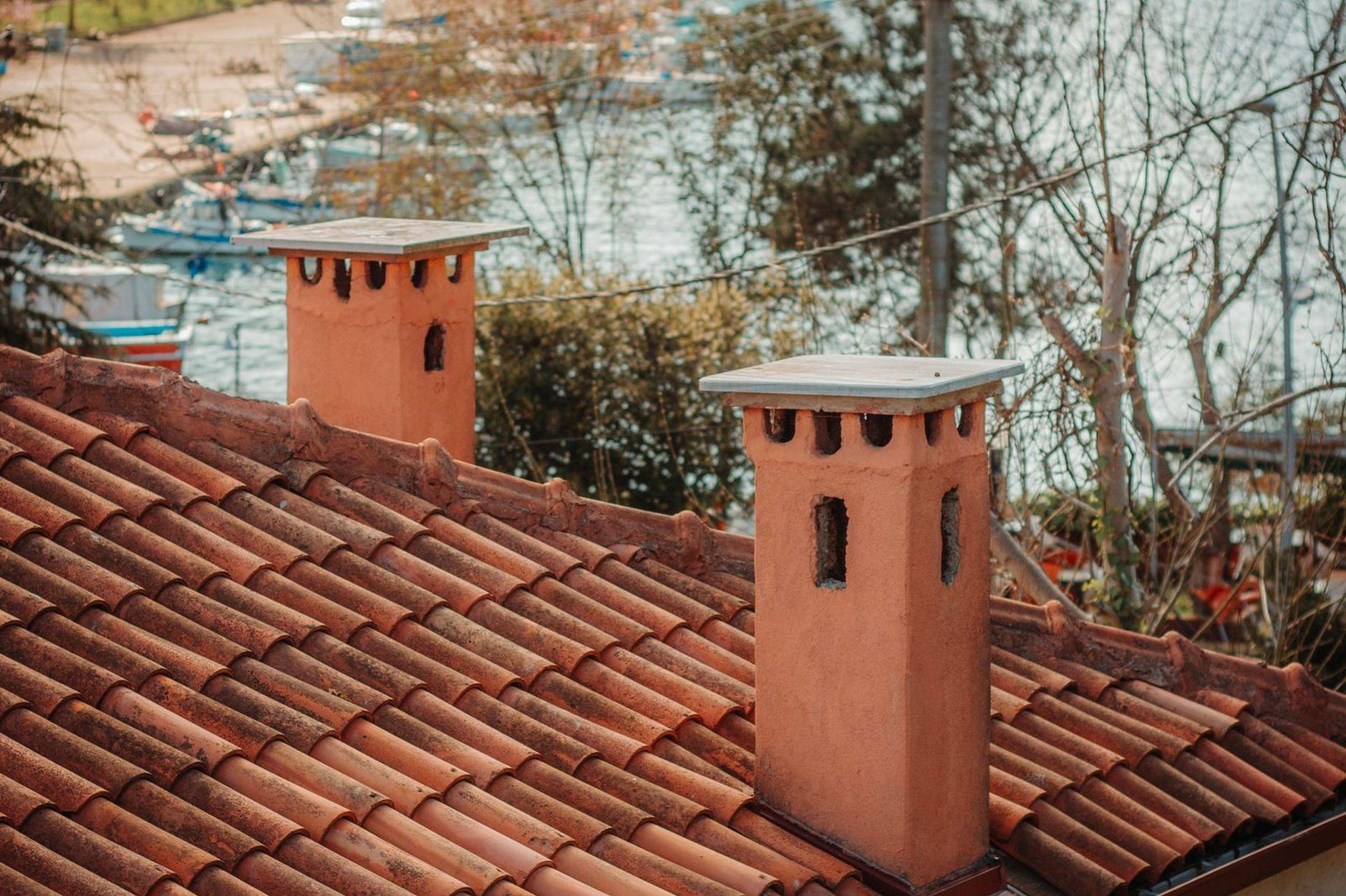
A wood stove in the listing photos sells houses. It is also the one appliance in the place that the seller ran with a live fire inside, every winter, in whatever way suited them. Before you buy a home in Duarte or the towns around it with a wood or pellet stove, you want someone who repairs stoves to open it up, not just someone who notes that one is there. This post covers what our purchase inspection looks at, what it costs, and the problems we most often find on stoves in houses that are changing hands.
Why a stove deserves its own look
A general home inspection covers the whole house in a few hours. By the time the inspector reaches the stove, there is no time to pull the baffle, follow the connector into the wall or run a camera up the flue. You will often see a line in their write-up asking for a chimney specialist. That line is your cue to call one.
Stoves also raise questions that a plain fireplace does not. Was it put in with enough distance to the wall behind it? Is it standing on a hearth pad big enough for it? Does it vent into a liner that runs the full height of the chimney, or straight into an old clay flue sized for an open fire? Was it added years after the house was built, and if so, did anyone pull a permit? These are things a buyer would rather learn before closing than after the first cold night.
What the purchase inspection covers
For a home purchase we run a camera inspection, $385 for one flue. It takes in:
- The stove itself: door, gaskets, glass, baffle, firebricks, and the body checked for cracks or warping
- The pad under the stove and the gaps to walls and trim
- The connector pipe and where it passes into the chimney, wall or ceiling
- The full height of the flue on camera, joint by joint
- The cap, crown and flashing, seen from the roof
- On a pellet stove, the vent to its outside end and the main moving parts
If all you want is the parts you can see without a camera, that is $54. For a purchase, though, the camera is what tells you what is happening inside the flue.
The findings come back as a written list with photos, each item marked as fine, worn, or needing work before the stove is lit again. We send them to whoever booked and anyone they ask us to copy.
What we find most often on stoves at a sale
A stove pushed into a fireplace with no liner. Common in older houses here. The stove's exhaust goes into a flue far bigger than it needs, cools on the way up and coats the chimney in creosote. A full height liner fixes it, and we price that after measuring. Stove Liner Quotes in Duarte explains what goes into the number.
Thick creosote. A sign of wet wood and low, smoky fires. It needs to come out before the next owner lights up.
Clearance problems. A stove nudged closer to a wall than its maker allows because it looked better there, or a pad too small for the stove sitting on it.
Worn parts. Gaskets, baffles and bricks at the end of their life, often all at once on a stove that was run hot.
A pellet vent in the wrong spot. Ending too close to a window, a door or under a deck, or with more bends than the maker allows.
Old quake damage. Brick chimneys in the San Gabriel Valley have been shaken more than once, and the 1991 Sierra Madre quake was centred in the San Gabriel Mountains not far from Duarte. Cracked flue tiles that a flashlight misses show up plainly on the camera.
How the next step gets decided
The inspection is a set $385 per flue. What follows depends on what we find. Some houses need nothing at all. Some need a sweep, from $415. Some need stove parts, a liner, or a new cap, which we quote after we measure. The price follows the flue size and the cap metal. Anything without a set figure on our list is measured and priced in writing for that house, so both sides of the deal are working from the same numbers.
If you are in escrow on a house with a stove, put the address, the access contact and your contingency deadline into the quote form, along with what the home inspector wrote about the stove or chimney. We set up the visit around the agent's access.
Using the findings in escrow
The write-up sticks to facts. A buyer can lean on it when asking for work to be done or money off the price. A seller can point to it as proof the stove is in good shape. Either way, it is easier to agree on money when both parties are reading the same photos. If you live out of the area and cannot be at the house, our page for buyers who are not in town explains how access through the agent works, and agents can read what our referral visit adds to a home inspection.
Your first winter in the house
The first winter is when new owners learn how the stove really behaves. Get the first sweep done before you light it, buy dry wood or good pellets, and tell us if the first few fires seem off: smoke at the door, a stove that will not turn down, glass that blackens fast. A stove the last owner ran badly can be put right. Someone just has to see it first.
We cover Duarte, Monrovia, West Covina and Glendora, and the camera visit is described in full on our Level 2 inspection page. To set one up for a house you are buying, go to the contact page with the address and the agent's name.
Heating With Wood This Winter?
Wadsworth Chimney Solutions works out of Duarte on wood stoves, pellet stoves, inserts and the flues above them. We grade the creosote, photograph what we find and put any repair price in writing first.