A stove liner is a pipe, nearly always stainless steel, that runs inside a brick chimney from the stove up to the top. It gives the stove's smoke a passage of the right size, sealed end to end, so the exhaust stays warm, rises quickly and leaves far less creosote behind. In Duarte and the foothill towns next to it we fit them for three main reasons: a wood stove or insert sitting in an old fireplace, a pellet stove venting up a chimney, or a clay tile flue that a camera has shown to be cracked.
This post covers what goes into a liner quote with us, why liners carry no set figure on our price list, and what you have once the job is finished.
Why stoves and old flues do not get along
A fireplace flue is sized for an open fire: a wide opening pulling a lot of room air up with the smoke. A modern wood stove sends out much less exhaust through a far smaller collar. Run that into a big clay flue and the smoke slows and cools on its way up. Cool smoke condenses, and what condenses is creosote. That is why so many stoves set into old fireplaces around the San Gabriel Valley have flues that need sweeping twice as often as they should.
Pellet stoves bring a different problem. Their exhaust is pushed by a fan, so the vent has to be airtight. Leaky clay joints can let exhaust escape into the chimney's surroundings instead of going out the top, which is why most pellet stove makers call for a sealed liner when the vent runs up a masonry chimney.
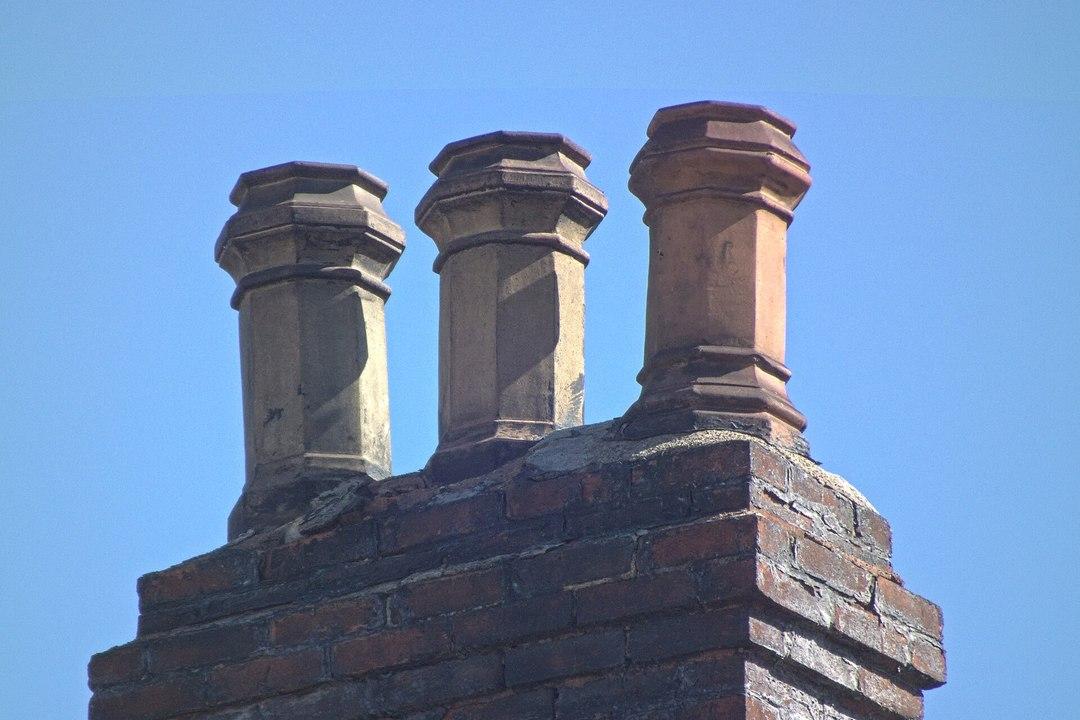
Then there is the clay itself. Flue tiles crack from heat, from age and from earthquakes. A chimney that came through the 1991 Sierra Madre quake or the 1994 quake can have tiles split or shifted well out of reach of a flashlight. A liner gives the stove a fresh path no matter what shape the tiles are in.
What we measure on the visit
1. The stove outlet, which fixes the liner diameter its maker calls for 2. The inside size of the flue and its height from the stove to the top 3. Any bends or offsets in the chimney the liner has to snake through 4. How the stove connects: straight up from its top, out of its back, or through the old damper opening 5. The crown and the top of the chimney, where the liner is capped and sealed 6. The state of the flue on camera, if nobody has looked recently
What sets the price
- Height. A one storey chimney takes less liner than a two storey one.
- Diameter and type. A wood stove liner is wider than a pellet vent liner. Insulated liners, or liners wrapped to fit a tight flue, cost more than plain ones.
- The route. A straight flue takes a liner quickly. Offsets, a narrow throat or a damper that has to be cut out add labour.
- The bottom connection. A stove inside a fireplace needs a sealed connection through the old damper area and often a block off plate. A freestanding stove in front of the hearth needs a tee and a cleanout.
- The top. A top plate, a cap and sometimes work on the crown to seal around the liner. A cap on its own is quoted after we measure.
- What the camera showed. If the flue needs a sweep first, from $415, or the crown needs repair, those go on the quote as separate lines.
The quote names the liner by diameter and length, the fittings at each end and the labour, with anything extra set out on its own line. Nothing goes up the chimney until you have read it and agreed.
When you want a number, use the quote form to tell us the stove make and model, whether it sits inside a fireplace or in front of one, and how many storeys the chimney climbs. That tells us which camera and measuring gear to bring.
What you have when it is finished
- A liner sized to the stove, sealed at both ends
- A cap fitted over the top
- The stove connected and test fired, with the draft checked at the stove
- Photos of the top, the bottom connection and the camera view where one was run
- A note of the liner diameter, type and length, which helps whenever the stove is serviced or the house is sold
Liner work and stove work together
Most liner jobs we do involve the stove too: new gaskets while it is pulled out, a warped baffle, or a connector that was due anyway. Doing it all on one visit means the stove only gets moved once. See Wood Stove Repair Costs for the stove side and our chimney liner installation page for more on liners themselves. If the house is one you are buying and the stove vents into an old flue, Buying a House With a Stove covers the inspection, and Sweep Prices for Wood Burners covers the yearly upkeep once the liner is in.
Does a lined chimney still need sweeping?
Yes. A liner cuts down how fast creosote builds, but it does not stop it, and a wood stove burning wet wood will still coat the inside of a steel pipe. The difference is that a smooth, correctly sized liner sweeps out faster and gives the brush nothing to snag on. Pellet vents still collect fly ash at every bend. Plan on the same yearly visit you had before.
We fit liners across Duarte, Monrovia and Glendora. Tell us about your stove and chimney on the contact page and we will book the measuring visit.
Heating With Wood This Winter?
Wadsworth Chimney Solutions works out of Duarte on wood stoves, pellet stoves, inserts and the flues above them. We grade the creosote, photograph what we find and put any repair price in writing first.